
Walter Crane, master also for children’s books
Prof. Francesco Carelli
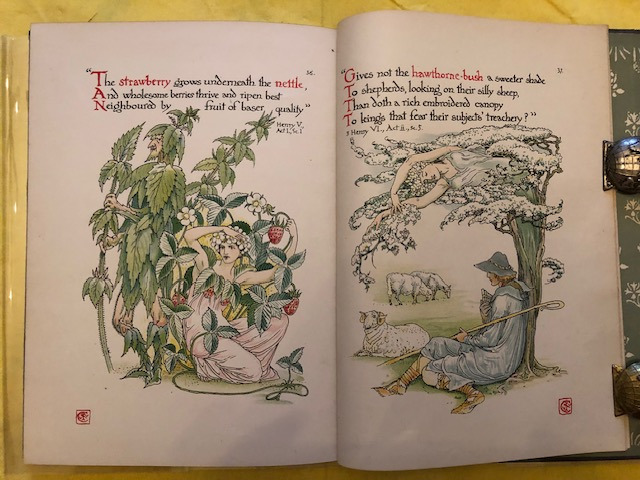
Walter Crane (1845 – 1915) is considered to be the most influential, and among the most prolific, children’s book creators of his generation and, along with Kate Greenaway, the strongest contributor to the child’s nursery motif that the genre of English children’s illustrated literature would exhibit in its developmental stages in the later 19th century.
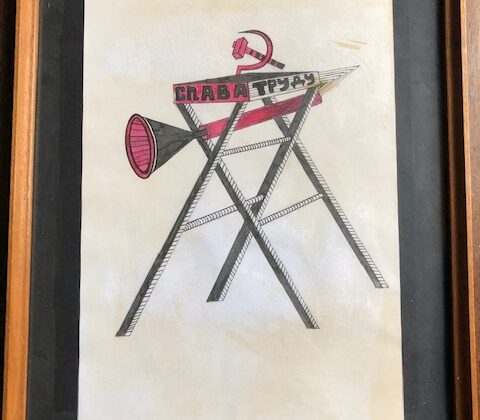
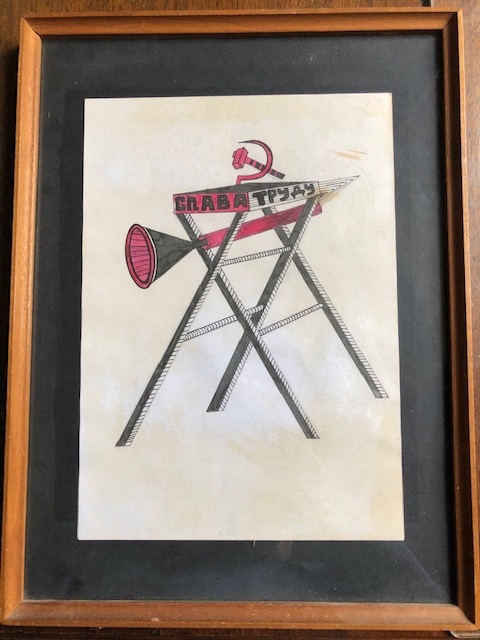
Crane’s work featured some of the more colourful and detailed beginnings of the child-in-the-garden motifs that would characterize many nursery rhymes and children’s stories for decades to come. He was part of the Arts and Crafts movement and produced an array of paintings, illustrations, children’s books, ceramic tiles, wallpapers and other decorative arts. Crane is also remembered for his creation of a number of iconic images associated with the international socialist movement; he also used his art for the direct advancement of the Socialist cause.
He was a fluent follower of the newer art movements and he came to study and appreciate the detailed senses of the Pre-Raphaelite Brotherhood as Dante Gabriel Rosetti and John Everett Millais, as well as Sir John Tenniel, the illustrator of Alice in Wonderland, not to say that he was also a diligent student of the renowned artist and critic John Ruskin.
A further and important element in the development of his talent was the study of Japanese colour-prints, the methods of which he imitated in a series of toy books, which started a new fashion.
From 1865 to 1876 Crane and editor Evans produced two to three toy books each year.