
Frida: The Making of an Icon
Prof. Francesco Carelli
Tate Modern has opened its first major exhibition to explore how Frida Kahlo (1907–1954) became a global icon and a key influence on a generation of artists. “The Making of an Icon” traces Kahlo’s extraordinary rise from a relatively unknown painter to a worldwide cultural phenomenon and goes by demonstrating Frida’s impact on art history, presenting her work in dialogue with modern and contemporary artists from across the globe who draw influence from her aesthetic, identity and biography. Together they reveal how Kahlo’s story continues to be reimagined and reclaimed by new generations, cementing her place as one of the most influential figures in the history of art.
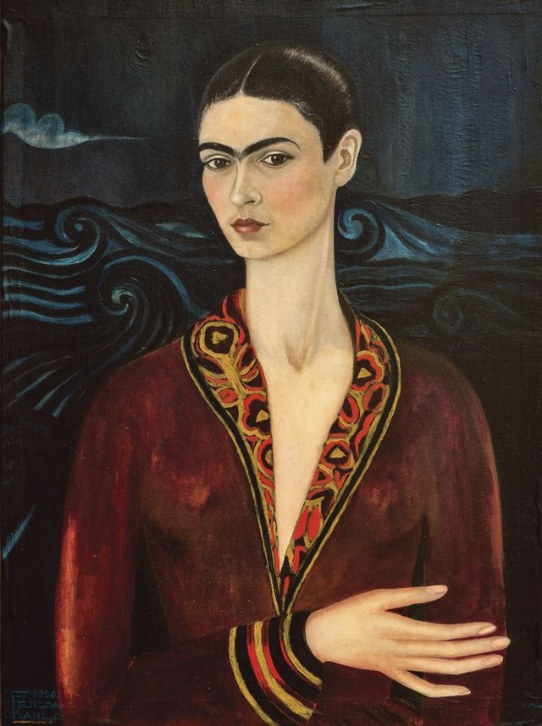
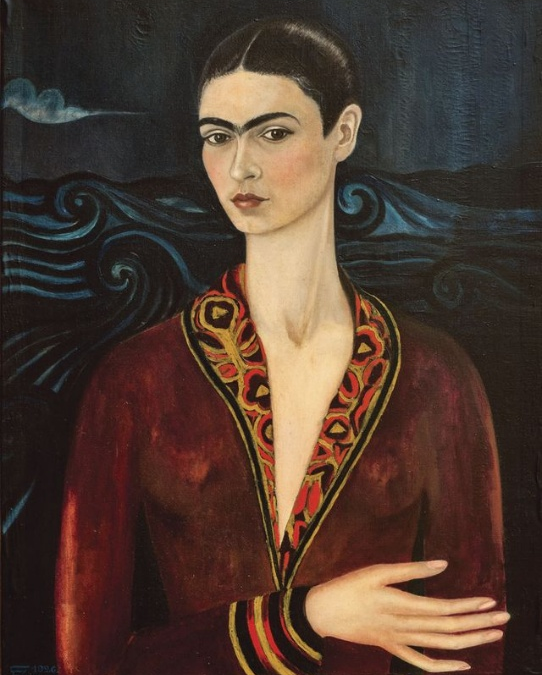
The exhibition opens with an exploration of how Kahlo constructs and projected her identity in her paintings and personal style. Through a rich display across multiple media, you can discover how she visually articulates her many ‘selves,’ from the personal to the political, and the physical to the spiritual. Highlights include a selection of Kahlo’s most iconic self-portraits, including Self-Portrait (With Velvet Dress) 1926 and Self-Portrait with Loose Hair 1938, through which she embraces her Mexican heritage, queer self-image, feminist ideals and experience as a disabled woman.
The heart of the show focuses on the surrealist connections between Frida Kahlo and her contemporaries. While Kahlo famously rejected the label, her work reveals striking parallels with the movement, leading its founder André Breton to declare her “a self-made Surrealist.” Following her first solo show at Julien Levy Gallery in New York in 1938, Breton invited Kahlo to exhibit in Paris, where the French national collection acquired her self-portrait The Frame 1938.
You can examine their shared fascination with motifs informed by surrealism, including masks and skeletons, and a fixation on death and dreaming. The rise of feminism in Mexico and the US during the 1970s and 1980s also sparked renewed interest in Kahlo’s groundbreaking self-representation. Her self-portraits, featuring cropped hair, a faint moustache and masculine attire, as well as her scenes of childbirth and female sexuality, boldly challenged cultural norms. The exhibition culminates by exploring Kahlo’s transformation into a global brand that extends far beyond her art, encompassing her image, style and persona.